Key Takeaways
- Professional editing improves the clarity, structure, and overall quality of your manuscript.
- Understanding how to find a editor helps you make smarter decisions during the publishing process.
- There are different types of editors, and each one works at a different stage of writing.
- Defining your editing needs is the first step before starting your search.
- Reviewing an editor’s experience and requesting a sample edit helps ensure a good fit.
- Clear communication about timelines, pricing, and expectations prevents problems later.
- Choosing an editor with experience in your genre leads to better editing results.
- Investing in professional editing increases your chances of publishing success.
Your Story Deserves Expert Eyes!
Work with top-tier editors at Authors Breeze to refine your writing, enhance clarity, and perfect your book for readers.
Introduction
Completing a manuscript is a major milestone, but it is rarely the final step before publication. Even the most talented writers need editorial support to refine their work and prepare it for readers. A skilled editor can transform a rough draft into a clear, engaging, and professional piece of writing. Without proper editing, strong ideas may be overlooked because of poor structure, grammar issues, or inconsistent tone.
That is why understanding how to find a editor is essential for any writer who wants to publish successfully. From first-time authors to experienced professionals, everyone benefits from working with an editor who can provide objective feedback and technical expertise.
This guide explains how to find a editor, what qualities to look for, and how to work effectively with editing professionals. By the end, you will have a clear understanding of the process and feel confident about taking the next step toward publication.
Why You Need a Professional Editor
Many writers believe editing simply involves correcting spelling mistakes. In reality, professional editing is about improving communication. An experienced editor reviews your writing from a reader’s perspective and identifies areas that need clarification, improvement, or restructuring.
When writers learn how to find a editor, they often realize that editing is one of the most valuable investments in the publishing process. Editors help ensure that your message is clear, consistent, and easy to understand.
Professional editing services support writers by:
- Improving organization and logical flow
- Strengthening arguments or storytelling
- Correcting grammar and punctuation
- Maintaining consistency in tone and style
- Enhancing readability
For self-publishing authors especially, understanding how do you find an editor is critical because there is no traditional publishing team to handle editing tasks. The editor becomes your main quality control partner.
Understanding the Types of Book Editors
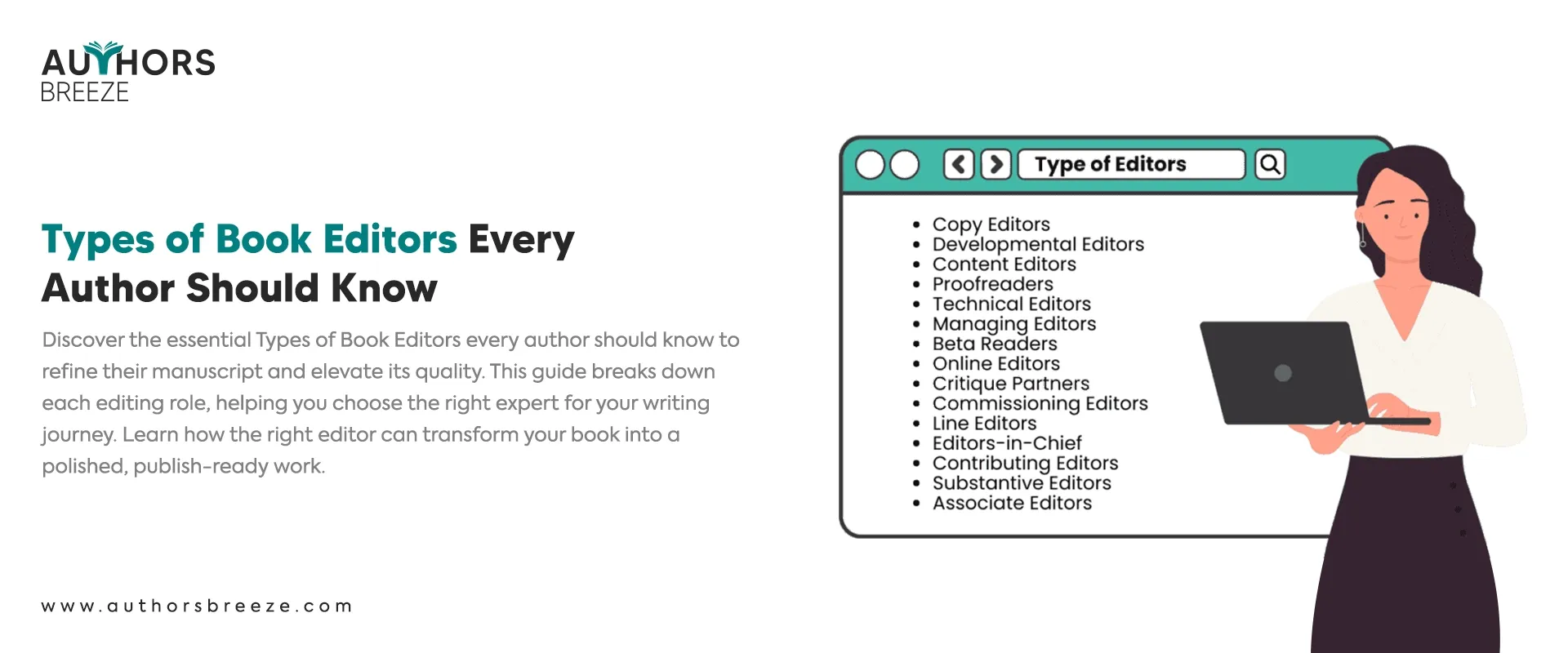
Before you begin searching, it is important to understand the different types of editors available. There are different types of editing, and each type requires a specific editor. Each type of editor focuses on a specific stage of the writing process, and choosing the right one depends on the condition of your manuscript.
Writers who clearly understand the roles of editors find it much easier to decide how to find a editor that matches their needs.
The Main Types of Book Editors
| Type of Editor | Focus Area | When They Are Needed |
| Developmental Editor | Structure, content, and organization | Early draft stage |
| Line Editor | Style, tone, and readability | After structural revisions |
| Copy Editor | Grammar, punctuation, and consistency | Near final draft |
| Proofreader | Final error correction | Before publication |
A developmental editor focuses on big-picture issues, while a proofreader concentrates on small technical errors. Knowing these differences helps writers make informed decisions when planning how to find a editor for their project.
For example, a novelist may need help with plot development, while an academic writer may require assistance with formatting and clarity. Each situation requires a different type of editor.
Also read: What is Line Editing, How to Do It, and how Can It Help You?
How to Find a Editor for Your Book or Manuscript
One of the most common questions authors ask is how to find an editor for your novel or nonfiction book. Fortunately, there are several effective ways to begin your search.
1. Professional Platforms and Directories
Editorial associations and freelance platforms are excellent places to find experienced professionals offering professional book editing services.
2. Writing Communities
Other authors can guide you based on their experiences. Recommendations often lead to trusted editors.
3. Freelance Marketplaces
You can hire an online novel editor through freelance platforms, but always review their portfolio and client feedback carefully.
4. Local Search
If you prefer in-person collaboration, try searching for book editors near me to find professionals in your area.
5. Books and Publications
Lastly, you can get information about editors in the acknowledgments section of the books or publication websites. You may also find editors on the author’s website. Authors often credit their editors there.
Looking For Editors That Can Make Your Book a Good Read?
Get expert help to refine your manuscript and ensure it meets professional publishing standards.
How to Evaluate and Hire the Right Editor
Finding an editor is only the first step. The next step is choosing the right one, especially if you are looking for an editor for self-publishing. Writers who understand how to find a editor also recognize the importance of careful evaluation before making a commitment.
Hiring the wrong editor can lead to delays, frustration, and unnecessary expenses, so it is important to assess compatibility and professionalism.
Experience and Expertise
Choose an editor familiar with your genre. A fiction editor will approach storytelling differently from a technical editor.
Services Offered
Make sure you know exactly what the editor provides:
- Will they give thorough, detailed feedback on your manuscript?
- Will you receive a comprehensive editorial report outlining suggested improvements?
Communication Style
Since you will be closely working with editors, choose someone whose feedback style suits you. Some are direct, while others are more collaborative.
Budget and Timeline
Editing is an investment. While costs vary, remember that quality editing improves your book’s chances of success.
Also, book early. Experienced editors are often in high demand.
What Editors Do and Do Not Do
What Editors Do
- Improve clarity and structure
- Enhance readability
- Provide professional insights
- Help refine your writing
What Editors Do Not Do
- Guarantee publishing success
- Rewrite your entire book
- Replace your role as the author
Even the best editor professional works as a partner, not a replacement.
Common Mistakes When Looking for an Editor
Even experienced writers make mistakes when searching and working with editors. Understanding these mistakes can help you avoid unnecessary problems and improve your results.
One of the most frequent errors is rushing the process without fully understanding how to find a editor. Writers sometimes choose the first available editor without reviewing qualifications or experience.
Other common mistakes include:
- Not defining editing needs
- Choosing based only on price
- Ignoring genre expertise
- Skipping the sample edit
- Failing to communicate expectations
Avoiding these mistakes increases the likelihood of finding a reliable editor who supports your publishing goals.
How to Become an Editor
If you love working with words, you can turn that passion into a career and become an editor.
Editors play a crucial role in shaping manuscripts and helping authors produce polished, professional books.
Here’s how to get started:
- Build strong language skills: Master grammar, punctuation, and different writing styles.
- Learn different types of editing: Understand developmental editing, copyediting, and proofreading.
- Gain practical experience: Practice editing drafts, volunteer for writers, or create sample edits to build a portfolio.
- Network and connect: Join writing communities or professional associations to find opportunities and clients.
With dedication, you can turn your editing skills into a rewarding career while helping authors bring their stories to life.
Conclusion
Publishing a book is a major accomplishment, but professional editing is what turns a manuscript into a polished and reader-ready piece of writing. Editors improve clarity, strengthen structure, and ensure your work meets publishing standards. Understanding how to find a editor helps you make informed decisions and choose the right support for your project.
If you are ready to take the next step, trusted services like Authors Breeze can provide experienced editors who guide you through the final stages of preparation. Taking action now by researching options and requesting samples will move you closer to successful publication.
Frequently Asked Questions
How much does it cost to hire an editor?
Editing costs vary based on the type of editing, word count, and editor experience. Most professional services, including Authors Breeze, provide quotes after reviewing your manuscript.
Can I publish my book without hiring an editor?
Yes, you can publish without an editor, but it is not recommended for professional results. Editing helps improve clarity, credibility, and reader satisfaction.
Need An Editor Who Understands Your Vision?
Authors Breeze pairs you with skilled editors who understand your vision and bring out the best in your writing.

Charles Maynes
Charles Maynes is a seasoned writer with years of experience in the publishing industry. With a background in journalism and creative writing, he deeply understands the art of storytelling and the importance of crafting a compelling narrative. Throughout his career, he has worked with a range of clients, from bestselling authors to small business owners, helping them to bring their stories to life through the written word.